Baby Step 1 Is 1000 in an Emergency Fund

When y'all start start working out your overall budget, it'south normal to include calculations for the obvious things like rent, student loan payments and even groceries. Merely at that place's another important provision yous'll want to add to the list that might not be equally straightforward: an emergency fund. It'due south impossible to anticipate unexpected expenses in your life, but having money set aside specifically for this purpose — money that isn't already allocated to other bills — tin make the difference in weathering an emergency smoothly or setting yourself up for financial difficulties down the road.
Emergency funds are great safety nets to have, not only for your financial stability but besides for your own peace of listen. If you don't take one nonetheless, find out why an emergency fund should be a office of your budget — and how you can build your ain.

CNBC reports that, according to a Jan 2021 survey, only 39% of participants indicated they could comfortably cover an unexpected expense of $1,000. That's fewer than iv in 10 Americans. Those who said they couldn't pay the expense outright would resort to other methods like using a credit menu and paying the debt off in increments (while incurring interest charges). Others said they might borrow coin from family or friends.
Fiscal emergencies, like a sudden illness, an unexpected job loss or even something that doesn't cost as much as $1,000, tin can cause your finances to take a major hit. Even repairs on your machine or your home can set y'all back a pretty penny if yous aren't prepared. That's where having an emergency fund comes in handy.
An emergency fund is money you've fix aside in a split up savings account to help cover or offset the expense of an unforeseen circumstance. People often confuse emergency funds with their nest egg for retirement or long-term savings for tuition or a new dwelling. Just this specific fund is a financial condom cyberspace. You lot'll only use it when an unexpected expense pops up, non whatsoever other fourth dimension or for a planned purchase or investment.
Emergency Funds Should Reflect Your Current Lifestyle

When it comes to the size of an emergency fund, most experts say that the full general rule of thumb is to save up three to half-dozen months' worth of living expenses. That amount won't be the same across the board for everyone. You may be able to save more money than others as dissimilar life factors come into play, or y'all may find yourself saving upwards within a different time frame.
While saving as much money as you can is vital, the size of your emergency fund volition largely depend on your electric current lifestyle, income and monthly expenses. Another pregnant gene to consider is dependents that rely on your income also. Yous may need to adapt the corporeality you salve based on your current obligations.
The corporeality you save can vary depending on other factors, too. Three to four months' worth of expenses could be enough if y'all don't take much debt, you're relatively healthy with no medical bills, you lot rent your dwelling house and you take a steady job. You lot might save upward to six months' worth of expenses (or perhaps even a year's worth) if you live in a high cost-of-living area, ain your own home or have children or other dependents (including furry ones!).
Having an Emergency Fund Can Be Vital for Your Financial Security

If y'all oasis't considered putting abroad some savings for emergencies, it's never as well tardily (or early) to start. Of course, it's easier to bounce dorsum from financial setbacks if you take a safety internet to comprehend expenses rather than relying on credit or loans. Having that fund tin can keep y'all from being tempted to utilise other long-term savings, similar retirement funds, to cover unexpected costs. Making those decisions that compromise other areas of your finances could end upwards setting you back in the long run.
Aside from having fiscal security, there are other benefits to having an emergency fund. Saving money helps to keep your stress levels downward. Finances can exist a source of stress and feet, which can touch your mental health in the long run. Being prepared for unexpected events can provide some relief in the form of peace of mind. An emergency fund tin also help you limit unchecked spending by providing a goal to work towards. When you commit to saving coin each week or month, you lot may be able to make ameliorate financial decisions because you'll need to weigh the pros and cons of a purchase more carefully.
How Yous Can Build up an Emergency Fund
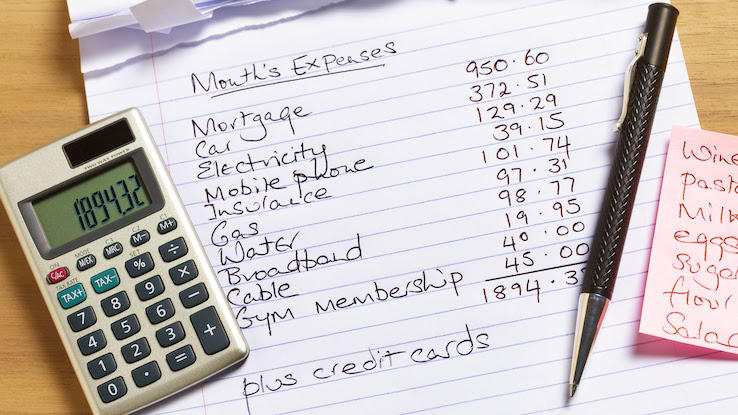
Creating an emergency fund doesn't have to be complicated — but it does crave some subject and consistency. If you're not in the habit of actively setting bated coin for savings even so, hither are some ideas to get you started.
When first creating a savings plan, begin past identifying how much you tin afford to save. This is where a personal budget comes in handy. Evaluate your necessary expenses, including your mortgage or rent, utilities, food, debt and other regular costs. Then, take a wait at expenses yous could punch dorsum on or cut completely. These often fall into categories similar amusement, dining out or shopping for nonessential items. It's possible that y'all could start saving some coin only by cutting out ane unnecessary expense a calendar month, like an unused gym membership or the cablevision Television you lot never lookout man.
One time you place how much you'll be able to relieve each month, commit to make savings a habit. You tin set up a reminder on your phone to put aside a certain corporeality of money from your paycheck. If yous're a little bolder, prepare an automatic recurring transfer from your checking account to some other account on payday.
Another slap-up strategy is to take advantage of former saving opportunities. In that location are certain times when you may get a lump sum of money that you don't take to spend on bills. For case, many Americans get tax refunds afterwards filing taxes each year. That'south an opportunity to tuck some money away in your emergency fund. You may also salve money you receive as a bonus from your job.
Additionally, it may help you to set interval goals along the way to your total overall savings goal. For example, you lot might fix a goal of saving upwards $one,000, and then reassessing your financial state of affairs to see how you can change your arroyo to building the fund. Reaching these smaller milestones can also give y'all the motivation to continue.
Lastly, where yous keep your emergency fund matters. Don't be tempted to continue emergency money in your everyday checking account, or even in the savings account that's attached to your everyday checking account. It's important that you have like shooting fish in a barrel admission to the fund when y'all practice demand it, but you as well don't desire to face up temptation to utilize information technology for non-emergencies. Instead, keep it in a loftier-yield savings account. These banking concern accounts pay higher involvement rates than typical savings accounts, meaning you earn higher returns on the money you continue in them.
Call back that information technology'south okay to commencement small — your fund probably won't appear overnight. Saving a modest but consistent amount each month tin can add upwards and assistance you with emergency expenses that come up.
Source: https://www.askmoney.com/budgeting/what-is-emergency-fund?utm_content=params%3Ao%3D1465803%26ad%3DdirN%26qo%3DserpIndex

Post a Comment for "Baby Step 1 Is 1000 in an Emergency Fund"